疫情下的守望与期盼,船员申请补贴的困境与出路
被遗忘的“海上使者”
2020年以来,新冠疫情全球蔓延,航运业作为国际贸易的“生命线”,始终在风雨中坚守,在这条生命线上,有一群人常常被公众忽视——他们就是船员。 confined to the narrow cabins of ships, they have been working tirelessly to ensure the smooth flow of global goods, facing unprecedented challenges: port closures, crew changes disrupted, infection risks, and prolonged voyages that separate them from families for months, even years.
Among these challenges, the financial strain has become a critical issue. Many ship crews have lost their income due to voyage cancellations, contract extensions, or company financial difficulties. To alleviate their burden, some countries and organizations have introduced epidemic-related subsidies. However, the process of applying for these subsidies has been fraught with difficulties, leaving many crew members in a state of “helplessness on the sea.” This article aims to explore the background, difficulties, and solutions of crew members applying for epidemic subsidies, hoping to draw attention to this vulnerable group and push for more effective support mechanisms.
疫情下的船员:从“无名英雄”到“困境中的挣扎者”
Before the pandemic, crew members were often called “unsung heroes” of the global economy. They worked on ships that carry 90% of the world’s trade, ensuring that food, medicine, and consumer goods reach every corner of the world. However, the COVID-19 outbreak has turned their work into a high-risk, high-pressure job.
1 Voyages extended, contracts uncertain
One of the biggest impacts of the pandemic on crew members is the disruption of crew changes. Due to port restrictions, travel bans, and quarantine requirements, hundreds of thousands of crew members have been stranded on ships, unable to return home as scheduled. Some have been at sea for 18 months or longer, far exceeding the standard 6-12 month contract period. For example, according to the International Maritime Organization (IMO), in 2021 alone, over 200,000 crew members faced extended contracts, with many reporting mental health issues due to prolonged isolation.
Extended voyages not only take a toll on their physical and mental health but also lead to a sharp drop in income. Many crew members are paid on a “voyage basis,” meaning their salary is linked to the completion of a specific voyage. If a voyage is delayed or canceled, their income stops immediately. Even for those with fixed salaries, some shipping companies, facing financial difficulties, have reduced wages or delayed payments, leaving crew members struggling to support their families back home.
2 Rising costs and limited access to support
While stranded at sea, crew members face additional financial burdens. The cost of calling at ports for supplies has increased due to pandemic-related restrictions, and some crew members have to pay for their own COVID-19 tests, vaccines, and quarantine expenses upon returning home. Moreover, unlike land-based workers, crew members often lack access to social security systems. In many countries, they are not covered by unemployment insurance or other pandemic relief programs, leaving them with no safety net when they lose their income.
For example, a Filipino seafarer, John Reyes, shared his story: “I was supposed to go home in March 2020, but my voyage was extended by 10 months. During that time, my company cut my salary by 30%, and I had to borrow money to send my children to school. When I finally returned home, I couldn’t find a job because most shipping companies were still struggling. I applied for government subsidies, but the process was too complicated, and I never received any help.”
补贴申请:从“希望之光”到“现实壁垒”
To address the financial difficulties faced by crew members, some countries, international organizations, and shipping companies have introduced epidemic-related subsidies. These include government-funded living allowances, wage subsidies from companies, and emergency aid from NGOs. However, the application process for these subsidies has been far from smooth, with many crew members facing bureaucratic hurdles, information asymmetry, and discrimination.
1 Unclear policies and fragmented standards
One of the biggest challenges in applying for subsidies is the lack of clear and unified policies. Different countries have different eligibility criteria, application procedures, and funding sources. For example, some countries require crew members to prove that they have lost their income due to the pandemic, while others prioritize crew members from low-income countries. Some subsidies are only available to seafarers working on domestic ships, excluding those on international routes.
This fragmentation has created confusion for crew members, especially those working on multinational ships. A Chinese crew member, Zhang Wei, said: “I work on a ship that sails between China and Europe. When I applied for a subsidy in China, they told me I should apply to the company’s flag country, which is Panama. Panama’s government said I should apply to my home country, China. I went back and forth for months, and in the end, I didn’t get any money.”
2 Complicated application processes and language barriers
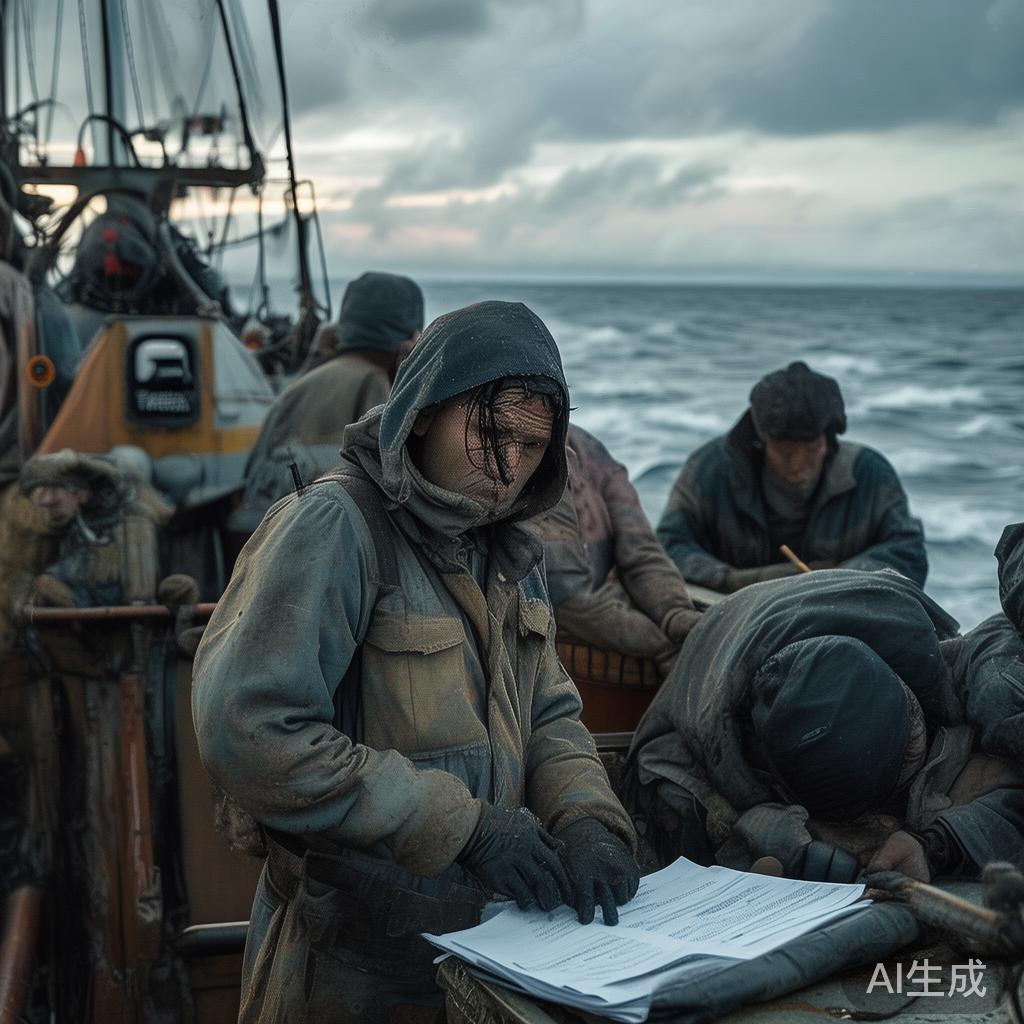
Even when policies are clear, the application process is often overly complicated. Many crew members are required to submit a large number of documents, including employment contracts, voyage records, bank statements, and medical certificates. For those who are
相关文章